【What is CRM? 】How to use CRM system to improve customer satisfaction and loyalty?
As the market becomes more competitive, businesses need to better manage customer relationships, improve customer experience and satisfaction, thereby enhancing customer loyalty and increasing business competitiveness. CRM systems are an important tool that can achieve this goal. Today, let's learn about what CRM is and how to use CRM systems to implement customer relationship management.
What is CRM?
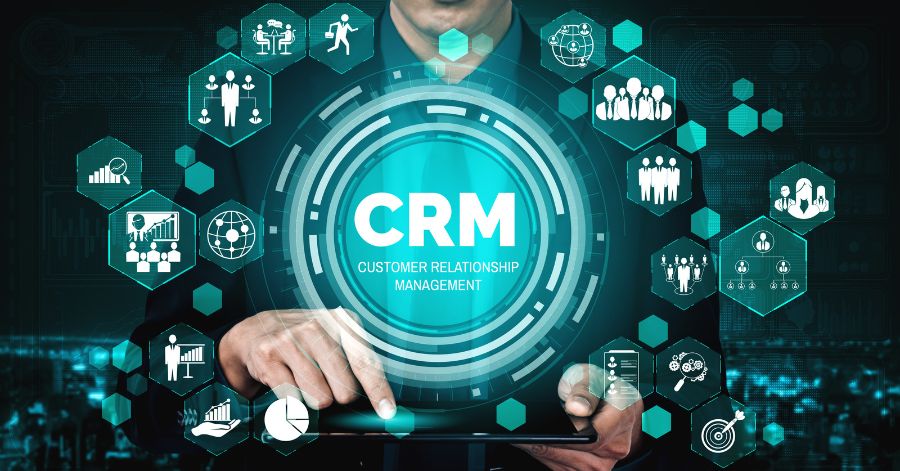
CRM stands for Customer Relationship Management, which is a comprehensive solution that helps businesses effectively manage customer relationships, improve customer experience and loyalty by building customer databases, analyzing customer needs and behaviors, providing personalized products and services, and regularly interacting with customers. In simple terms, CRM is a strategy and tool for managing customer relationships, helping businesses understand customer needs and behaviors, thereby providing better products and services, enhancing customer loyalty, and increasing sales.
5 Key Features of a Complete CRM System
There are many CRM systems on the market, each offering different features and support. To be considered a complete CRM system, it must have the following 5 key features:
Customer Data Management
CRM systems can collect, store, and manage customer basic information, transaction records, contact details, consumption habits, and preferences, allowing businesses to quickly access and update information, making it easier for sales teams to understand customer needs and behaviors.
Sales Management and Analysis
CRM systems can track sales, manage sales processes, forecast sales performance, and provide sales reports, charts, and sales funnels, helping businesses develop more effective marketing and sales strategies.
Marketing
CRM systems can conduct marketing activities through email, SMS, social media, etc., attracting new customers, increasing customer loyalty and repurchase rates, and analyzing the effectiveness of marketing activities to help plan and optimize promotional campaigns.
For example, Posify's CRM system offers over 100 marketing promotion combinations, providing comprehensive functionality!
Customer Service
CRM systems can provide customer support, troubleshooting, and issue resolution services, allowing businesses to respond promptly to customer inquiries and needs, while also tracking customer feedback and complaints, helping businesses improve products and services.
Integration Capabilities
CRM systems can integrate with other systems or tools, including email marketing tools, ERP, websites, social media, etc., enabling unified operations and management, as well as automation and process optimization, improving work efficiency.

Making the Most of CRM Systems: Enhancing Customer Satisfaction and Loyalty
Providing Personalized Products and Services
By collecting and managing customer data such as basic information, transaction records, consumption habits, and preferences through a CRM system, businesses can offer personalized products and services based on customer data and behavior, such as product recommendations, discounts, and customized services, thereby meeting customer needs and expectations and enhancing customer satisfaction and loyalty.
Providing Excellent Customer Service
CRM systems enable businesses to provide better customer service and professional technical support, such as through phone, email, social media, etc., offering customer support and solutions, responding quickly to customer inquiries and complaints, enhancing customer satisfaction and loyalty, and reducing customer churn.
Regular Customer Interaction
CRM systems can help businesses interact with customers regularly, such as sending greeting messages or emails on important holidays or customer birthdays to increase customer affinity and loyalty. Or through email, SMS, social media, etc., inform customers about the features, advantages, and value of new products, thereby attracting customer attention and interest, increasing sales opportunities.
CRM systems are important tools for communication and interaction with customers, but it is equally important for businesses to develop appropriate interaction strategies based on customer needs and preferences to avoid excessive disturbance that could lead to adverse effects.